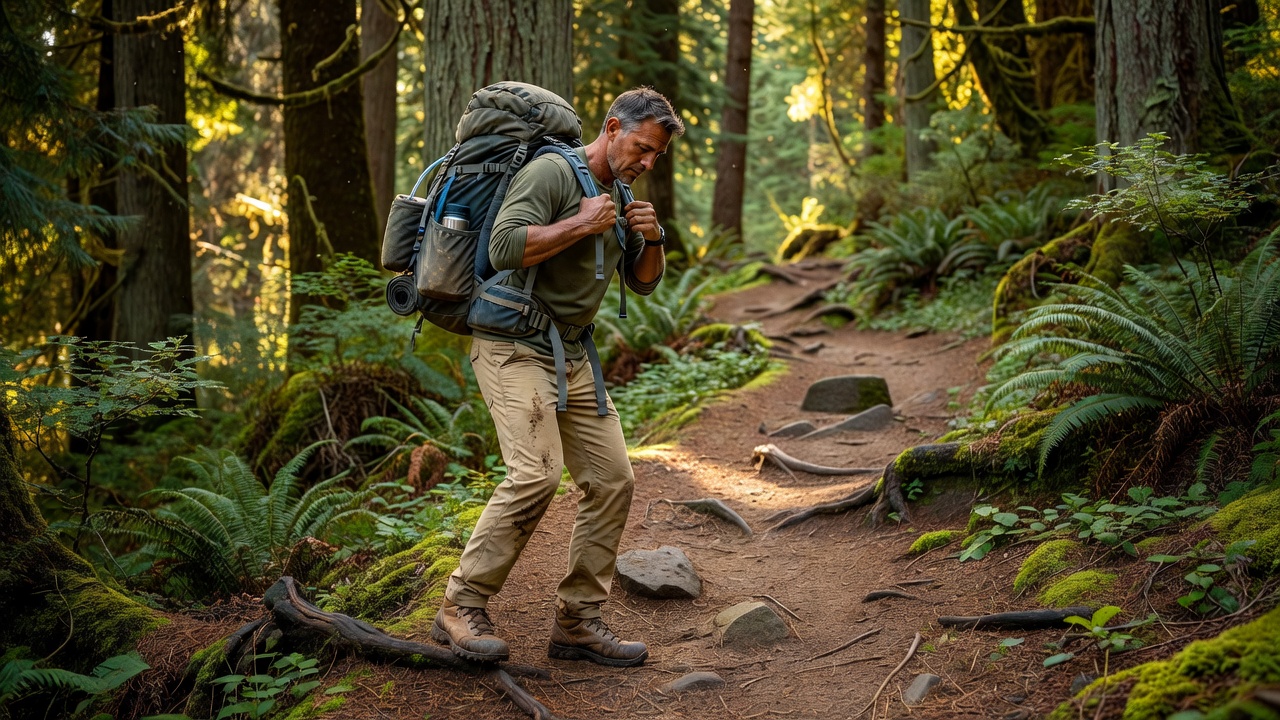
Unlike urban backpacks where aesthetic and tech-organization take priority, hiking backpacks are purely functional tools. When you are miles from civilization carrying food, water, and shelter, the mechanical efficiency of your backpack is the difference between an enjoyable trek and an agonizing slog. The core of a good hiking pack lies in its capacity, suspension, and accessibility.
Sizing and Capacity
Hiking packs are broadly categorized by their volume in liters, which directly correlates to the length of your trip:
- Daypacks (15L - 30L): Ideal for single-day hikes. Large enough for a hydration bladder, a rain shell, first aid, and lunch. Often frameless or featuring a very light flexible frame.
- Weekend Packs (35L - 50L): Designed for 1-3 night trips. Accommodates a sleeping bag, a small tent, a cooking system, and extra layers.
- Multi-day / Expedition Packs (55L - 75L+): Built for extended wilderness trips lasting up to a week or more, requiring significant food stores and heavy winter gear.
The Suspension System
The suspension system is the engine of a hiking backpack. Its job is to transfer the physical weight of your gear off your relatively weak shoulder and spinal muscles, channeling it down into your body's strongest muscle group: your legs and hips.
Modern hiking backpacks almost universally use Internal Frames. These frames are typically made of lightweight aluminum stays or rigid plastic framesheets integrated into the back panel. They provide the necessary vertical rigidity to transfer weight to the hip belt.
A properly fitted Hip Belt is paramount. It should rest squarely on your iliac crest (the top of your hip bones), not your waist or stomach. When buckled and tightened, the hip belt should support up to 80% of the total load.
Torso Length is Critical
One of the most frequent errors novice hikers make is buying a backpack based on their overall height rather than their torso length. A tall person can have a relatively short torso, and vice versa. Measure from your C7 vertebra (the bony bump at the base of your neck) down to the level of your iliac crest. Premium hiking packs either come in specific torso sizes (Small, Medium, Large) or feature adjustable back panels that slide up and down to match your exact measurements.
Ventilation and Back Panels
Hiking generates significant body heat. To combat a sweat-soaked back, manufacturers utilize different back panel designs. The most popular for day and weekend packs is the "trampoline" or suspended mesh back panel. This design pulls the actual body of the bag a few inches away from your back, tensioning a breathable mesh layer against your body and allowing a cross-breeze to evaporate sweat. While incredibly comfortable, this curved design can sometimes make the bag slightly harder to pack.
Hydration and External Storage
Access to water and quick layers on the trail is essential. Look for bags that feature:
- Hydration Sleeves: An internal pocket designed to hold a 2-3 liter water bladder, with routing ports for the drinking hose.
- Stretchy Mesh Pockets: A large 'shove-it' pocket on the front of the pack is perfect for storing a wet rainfly or a quickly discarded fleece jacket without opening the main compartment.
- Trekking Pole Loops: Dedicated shock cords and loops to secure trekking poles or ice axes when scrambling over rocky terrain.
Conclusion
When selecting a hiking backpack, comfort must absolutely trump aesthetics and organizational pockets. Take the time to measure your torso, load the bag with sandbags or weights in the store to test the suspension, and ensure the hip belt sits correctly. A well-fitted pack acts in harmony with your body mechanics, making heavy loads feel surprisingly manageable on the trail.